Supplements That Support Better Sleep
When sleep feels off for a while, it’s natural to start looking beyond routines and into nutrients and supplements. Not because you’re chasing a miracle, but because you want to understand what your body might be missing, or struggling to keep up with.
Supplements can act as supportive tools, especially when everyday life, stress, or dietary gaps make it harder to get everything you need from food alone. Let’s look at the supplements most commonly discussed in relation to sleep, and what they actually do in the body.
If you’ve been struggling with severe or long-lasting sleep difficulties, it’s important to seek professional help. Sleep is a foundational pillar of wellbeing, and restoring it is essential. Sometimes gentler approaches are not enough, and more structured medical support is needed to help the body and mind move back toward recovery.
Quick take
supplements can support sleep-related processes
supplements like magnesium and melatonin promotes good sleep
certain herbs like valerian root, passiflora and chamomile support relaxation
L-theanine affect relaxation and why it is often paired with coffee
How supplements can support sleep-related processes
Sleep depends on several overlapping systems working together:
the nervous system’s ability to downshift
muscle relaxation and physical comfort
circadian rhythm signaling
stable energy and blood sugar overnight
Certain nutrients participate in these processes. When intake is low, absorption is impaired, or demands are high, supplements may help support normal function within these systems. They help create conditions where sleep is more likely to happen.
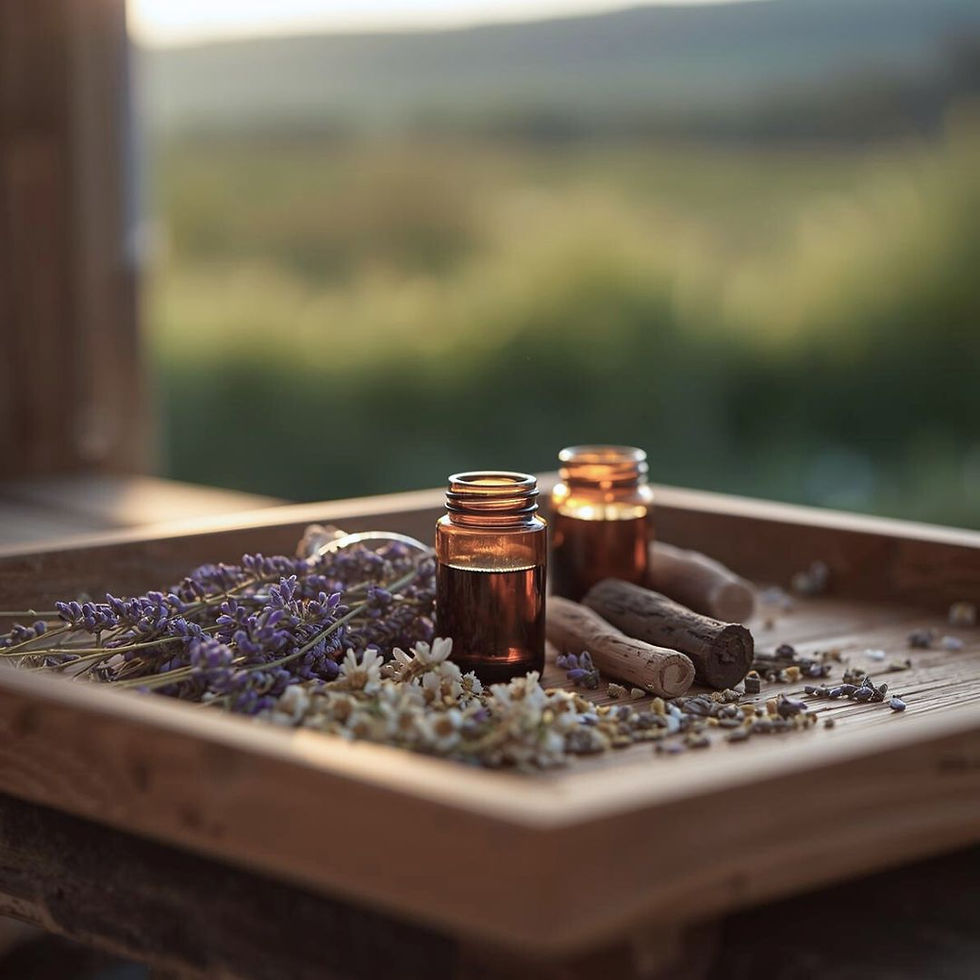
Magnesium
Magnesium is involved in hundreds of biochemical reactions in the body. It contributes to normal muscle function, nervous system activity, and energy metabolism. Magnesium is found naturally in foods like leafy greens, nuts, seeds, legumes, and whole grains.
From a sleep perspective, magnesium is used to:
supports muscle relaxation
plays a role in calming nervous system activity
participates in processes linked to physical unwinding
Magnesium is available in several different forms, and the form can influence how it feels in the body. Magnesium glycinate is often mentioned in the context of sleep because it is bound to glycine, an amino acid involved in calming processes in the nervous system.
This form is generally considered well tolerated and is often described as gentler on the digestive system compared to some other magnesium forms. Because of this, magnesium glycinate is commonly chosen by people who are looking to support relaxation in the evening without unwanted gastrointestinal effects.
Melatonin
Melatonin is a hormone produced by the body in response to darkness. Its main role is to help regulate the sleep–wake rhythm by signaling that it’s time to rest.
Supplemental melatonin is used when:
sleep timing feels shifted
routines are irregular
light exposure or schedules interfere with natural cues
Rather than acting as a sedative, melatonin works more like a timing signal. For some people, small amounts are enough to support rhythm alignment, while others are more sensitive and prefer to avoid it altogether. Timing matters with melatonin, taking it too early or too late may reduce its usefulness, or affect sleep timing rather than supporting it. You can find more detailed instructions in your supplemet package.
The goal is not to override the body’s rhythm, but to support it at the right moment.
L-theanine
L-theanine is an amino acid naturally found in tea leaves. L-theanine does not directly promote sleep or make you feel sleepy. Instead, it helps calm an overactive mind. While it supports relaxation, it does not act as a sedative. For many people, the effect is better described as calm without drowsiness.
L-theanine is commonly used to:
support mental relaxation
reduce racing thoughts
ease the transition from a busy day into a calmer evening
Because it doesn’t directly induce sleepiness L-theanine is commonly used in combination with caffeine, particularly coffee. The combination is popular because L-theanine may help smooth the stimulating effects of caffeine, supporting focus and mental clarity without the jittery or edgy feeling some people experience from coffee alone.
This balancing effect helps explain why L-theanine is often associated with alert calmness rather than nighttime sleep. For some, supporting mental relaxation earlier in the day can indirectly make evenings feel more settled, even though the supplement itself does not trigger sleep.
The bigger picture
Supplements work best alongside:
regular meals
consistent daily rhythms
calming evening habits
a nervous system that gets enough signals of safety
I think of them as handy helpers. Start low, introduce one supplement at a time and observe how your body responds.
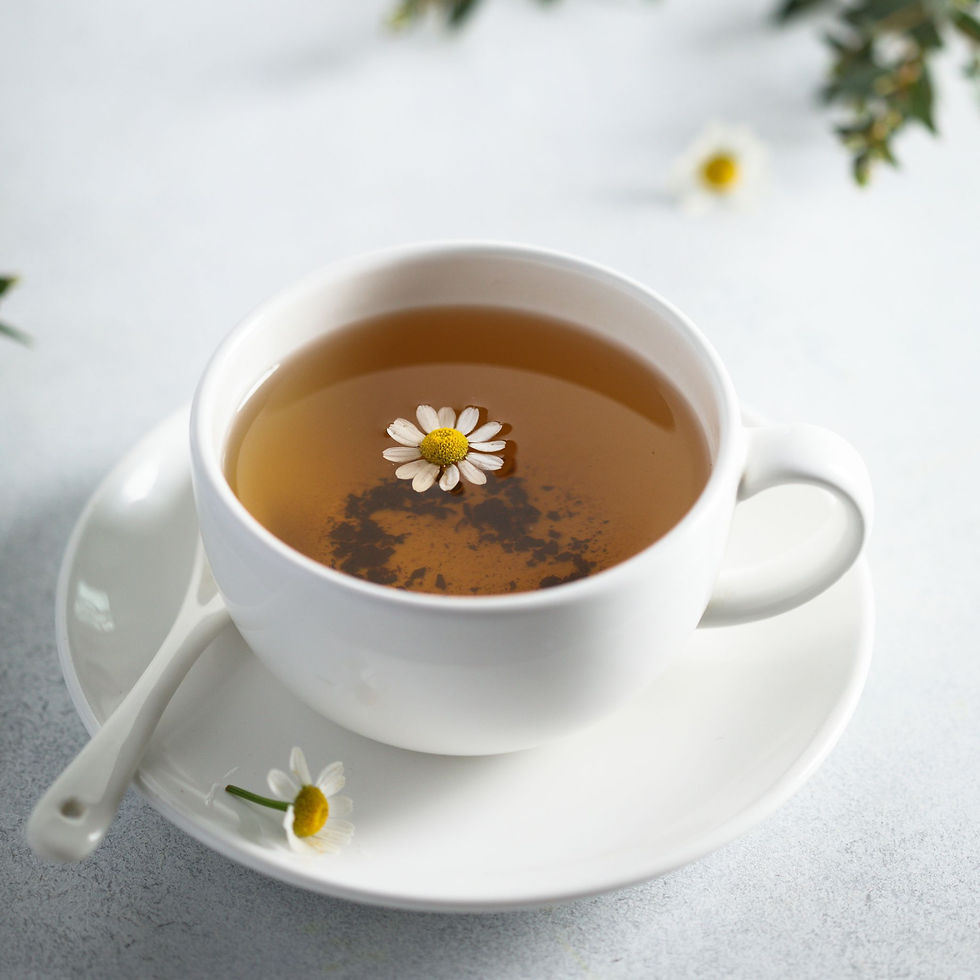
Valerian (Valeriana officinalis)
Valerian is a herb that has been traditionally used as part of evening and nighttime routines for centuries, particularly in Europe. It is commonly discussed in relation to relaxation and the body’s ability to settle into rest.
Valerian root is used to:
support relaxation
easing physical and mental tension
complementing nighttime unwinding
Rather than acting immediately, valerian is sometimes described as working more subtly over time as part of a regular routine. Because of its strong aroma and taste, many people prefer valerian in capsule or extract form rather than as a tea.
Responses to valerian can vary, and it tends to suit some people better than others.
Passionflower (Passiflora incarnata)
Passionflower is used to support calm and relaxation, especially during periods of mental restlessness.
Passionflower is used to:
supports a calmer nervous system state
helps ease the transition from daytime activity into evening rest
is commonly used when the mind feels busy rather than the body tired
Passionflower is frequently found in herbal blends, but it can also be used on its own. Many people describe its effects as gentle and balancing rather than heavy or sedating.
Chamomile (Matricaria chamomilla)
Chamomile is one of the most widely used herbs for relaxation and evening routines. It is commonly consumed as a tea, making it easy to integrate into daily habits.
Chamomile is used to:
bring gentle relaxation
support a sense of calm
signaling the body that it’s time to wind down
Because chamomile is mild, it is often chosen by people who are sensitive to stronger herbs. Its ritual aspect, slowing down, preparing a warm drink, sitting quietly, can be just as meaningful as the herb itself.
Why herbs are often used together
Herbs are sometimes combined because they support relaxation through slightly different pathways. While one herb may feel more physically calming, another may support mental ease. Blends allow these qualities to complement each other without relying on intensity.
As with all supplements, individual response varies, and simplicity often works better than stacking many products at once.
Why supplements don’t always help
If supplements seem ineffective, it’s often because the underlying issue lies elsewhere, such as:
Irregular meals or nighttime blood sugar drops
Excess caffeine earlier in the day
Chronic stress or nervous system overload
Inconsistent sleep timing
In these cases, supplements may be supporting the wrong layer of the system.
Please, note that supplements don’t cure or treat conditions, and they don’t replace food, daily habits, or professional care. They may support normal physiological processes in the body. That distinction matters.
Explore more about: